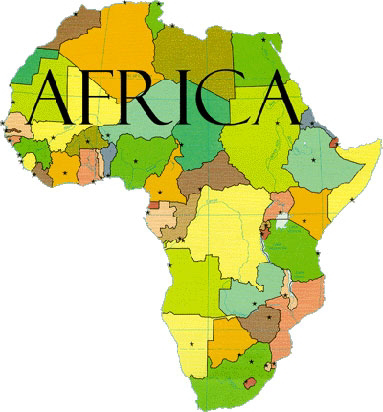
AFRICA'S POTENTIAL FOR GROWTH.

Africa is often referred to as the "next frontier" for economic growth due to its vast natural resources, rapidly growing population, and increasing urbanization. The continent presents numerous opportunities for growth, with sectors such as agriculture, tourism, and manufacturing playing a crucial role in this development.

1. Agriculture:
Africa has vast agricultural potential, with over 60% of its arable land still uncultivated. The continent's favorable climate and diverse ecosystems allow for the production of various crops and livestock. However, the sector faces challenges such as low productivity, inadequate infrastructure, and limited access to finance. By harnessing modern technology, improving infrastructure, and implementing effective agricultural policies, Africa can boost its agricultural productivity and become a global hub for food production.

2. Tourism:
Africa is rich in natural beauty, wildlife, historical sites, and cultural heritage, making it an attractive destination for international tourists. In 2019, the continent welcomed around 67 million international visitors, generating significant revenue and creating employment opportunities. To further exploit its tourism potential, Africa needs to invest in infrastructure, promote sustainable tourism practices, strengthen safety measures, and improve marketing campaigns to attract more visitors.

3. Manufacturing:
Manufacturing has the potential to drive Africa's economic transformation by creating jobs, diversifying economies, and enhancing value addition. The continent possesses significant natural resources, low-cost labor, and a growing consumer market. With the advent of new technologies such as 3D printing, robotics, and automation, Africa can leapfrog certain stages of industrialization and establish itself as a competitive manufacturing hub. However, challenges like a lack of skilled labor, inadequate infrastructure, and limited access to finance need to be addressed to unlock the full potential of the sector.

Additionally, Africa's growth potential is enhanced by regional integration initiatives such as the African Continental Free Trade Area (AfCFTA), which aims to create a single market for goods and services across the continent. The AfCFTA will facilitate trade, attract foreign investment, and foster economic diversification.

However, it is essential to acknowledge the challenges Africa faces, including political instability, corruption, inadequate governance, and weak institutions. Overcoming these hurdles requires concerted efforts from governments, private sector involvement, international partnerships, and investments in education and healthcare.

In conclusion, Africa's potential for growth is significant, and sectors such as agriculture, tourism, and manufacturing offer substantial opportunities. By addressing challenges, implementing effective policies, and fostering regional integration, Africa can unlock its economic potential and achieve sustainable and inclusive growth.

Popular posts from this blog

DANGOTE EXPOSES NNPC ON IMPORTATION OF SUBSTANDARD FUEL

Aliko Dangote, the president of Dangote Group and Africa's wealthiest individual, has made a shocking revelation. He claims that certain officials from the Nigerian National Petroleum Company (NNPC) Limited and oil traders have established blending plants in Malta, a Southern European island nation. From these plants, they allegedly import substandard fuel products into Nigeria. Speaking at the House of Representatives on Monday, Dangote emphasized that the locations of these blending plants are well-known to all stakeholders. He stated, "Some NNPC officials, traders, and terminal operators have set up blending plants in Malta. We are all aware of these locations and their activities." Dangote attributed the frequent vehicle problems in Nigeria to the poor quality of imported fuel. He noted that locally produced diesel, on the other hand, meets higher standards than imported fuel. He urged the House of Representatives to establish an independent committee to verify the qu...

MINISTER EDU'S SUSPENSION: A SHAKEUP IN THE TINUBU ADMINISTRATION

Introduction In a move that has sent shockwaves through the Nigerian political landscape, President Bola Tinubu has suspended the Minister of Humanitarian Affairs and Poverty Alleviation, Dr. Betta Edu, from office with immediate effect. This decision, announced on Monday, January 8, 2024, comes amidst rising public outcry over alleged misappropriation of funds within the ministry. Reasons for the Suspension The suspension stems from allegations that over N585 million was mismanaged under Dr. Edu's watch. These allegations center around the distribution of COVID-19 palliatives and funds meant for vulnerable Nigerians. The suspension is intended to pave the way for a thorough investigation by the Economic and Financial Crimes Commission (EFCC) into these claims. Public Reaction The public reaction to Dr. Edu's suspension has been mixed. Some have welcomed the move, seeing it as a necessary step towards ensuring accountability and fighting corruption. Others, however,...

THE IMPORTANCE OF CLOUD COMPUTING IN MODERN BUSINESS

Cloud computing has become an indispensable tool for modern businesses, offering a wide range of advantages that can positively impact scalability, cost-effectiveness, and data security. By leveraging cloud services, businesses can achieve enhanced efficiency in various aspects of their operations. One major advantage of cloud computing is its ability to scale resources promptly and efficiently. In traditional on-premises infrastructure, scaling up or down can be time-consuming and costly. However, cloud services allow businesses to upscale or downscale their computing resources dynamically, based on current demand. This scalability ensures that businesses can easily handle sudden increases in workload or accommodate growth without significant disruptions. Additionally, as cloud providers have vast infrastructure, businesses can access and utilize resources on demand, reducing the need for excessive investments in hardware and software. Cost-effectiveness is another major a...