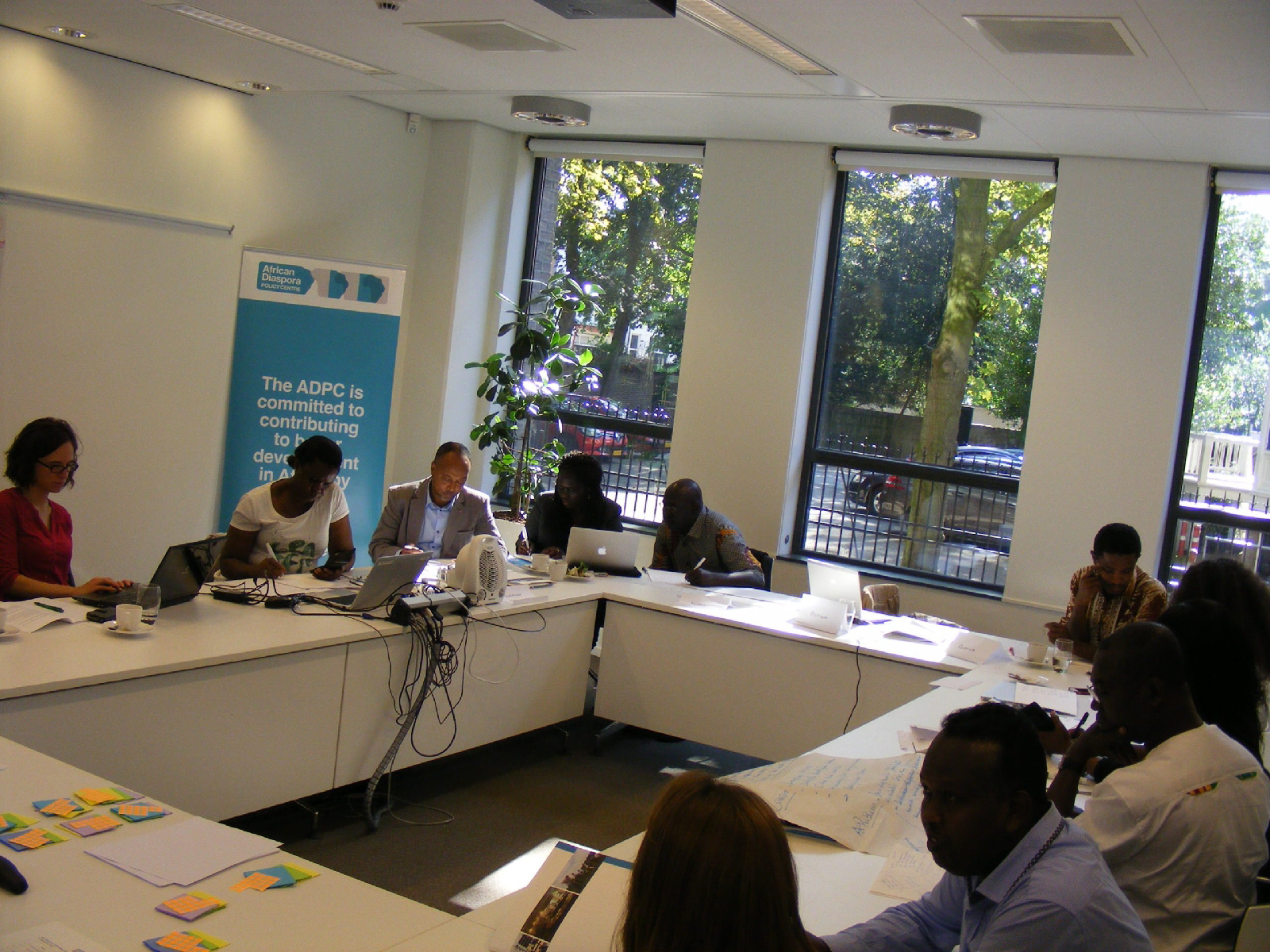
THE IMPACT OF AFRICA'S DIASPORA.

The African diaspora, referring to the scattering of Africans across the globe, has a significant impact on both their host countries and their home countries in Africa. In recent years, there has been a growing trend of African expatriates using their skills, networks, and resources to contribute to the development of their home countries. Here are some key ways in which African expats are helping to develop their home countries:

1. Remittances: African diaspora communities send significant amounts of money back to their home countries in the form of remittances. According to the World Bank, remittances to Sub-Saharan Africa amounted to over $48 billion in 2019. These funds play a crucial role in reducing poverty, improving access to education, healthcare, and infrastructure, and stimulating economic growth.

2. Knowledge transfer and skills development: African expats often bring back valuable knowledge, expertise, and skills acquired abroad, which can drive innovation, entrepreneurship, and economic development in their home countries. They transfer their experiences and insights in various sectors such as technology, finance, healthcare, and agriculture.

3. Investment and entrepreneurship: The African diaspora is increasingly investing in businesses and startups in their home countries. This investment contributes to job creation, technological advancements, and overall economic growth. By leveraging their international networks and resources, African expats play a vital role in fostering business opportunities and attracting foreign investment.

4. Philanthropy and social impact initiatives: African expats are actively involved in philanthropic activities and social impact initiatives. They establish foundations, non-profit organizations, and community development projects to address various issues like education, healthcare, gender equality, and environmental sustainability. This helps to address social challenges faced by their communities and drive sustainable change.

5. Cultural exchange and knowledge sharing: African expats act as cultural ambassadors, promoting the rich and diverse African culture and facilitating cultural exchanges between their host countries and their home countries. This promotes a positive image of Africa, creates opportunities for cultural collaboration, and enhances global understanding and appreciation of African heritage.

However, it is important to note that not all African expats have equal opportunities or capacities to contribute to their home countries due to various factors such as limited resources, legal barriers, and social challenges. Efforts should be made by both governments and civil society to create an enabling environment that encourages and supports the contributions of the African diaspora for sustainable development.

Popular posts from this blog

THE BEST PRESIDENT NIGERIA EVER HAD: A COMPARATIVE ANALYSIS OF LEADERSHIP

Nigeria, as one of Africa's largest and most influential nations, has seen various leaders throughout its history. In this blog post, we'll delve into the topic of the best president Nigeria has ever had.  We'll examine a notable leader, detail the reasons for their achievements, and make comparisons with other good leaders. Our aim is to provide a comprehensive analysis of their leadership and its impact on Nigeria's development. THE EXEMPLARY LEADER: CHIEF OLUSEGUN OBASANJO One leader who often stands out in discussions of Nigeria's best presidents is Chief Olusegun Obasanjo. Serving as the President of Nigeria twice, from 1976 to 1979 and from 1999 to 2007, Obasanjo demonstrated exceptional leadership qualities and made significant contributions to the nation. Here are some reasons for his success. During Olusegun Obasanjo's presidency in Nigeria from 1999 to 2007, the country achieved several notable achievements in various sectors, including eco...

DANGOTE EXPOSES NNPC ON IMPORTATION OF SUBSTANDARD FUEL

Aliko Dangote, the president of Dangote Group and Africa's wealthiest individual, has made a shocking revelation. He claims that certain officials from the Nigerian National Petroleum Company (NNPC) Limited and oil traders have established blending plants in Malta, a Southern European island nation. From these plants, they allegedly import substandard fuel products into Nigeria. Speaking at the House of Representatives on Monday, Dangote emphasized that the locations of these blending plants are well-known to all stakeholders. He stated, "Some NNPC officials, traders, and terminal operators have set up blending plants in Malta. We are all aware of these locations and their activities." Dangote attributed the frequent vehicle problems in Nigeria to the poor quality of imported fuel. He noted that locally produced diesel, on the other hand, meets higher standards than imported fuel. He urged the House of Representatives to establish an independent committee to verify the qu...

MINISTER EDU'S SUSPENSION: A SHAKEUP IN THE TINUBU ADMINISTRATION

Introduction In a move that has sent shockwaves through the Nigerian political landscape, President Bola Tinubu has suspended the Minister of Humanitarian Affairs and Poverty Alleviation, Dr. Betta Edu, from office with immediate effect. This decision, announced on Monday, January 8, 2024, comes amidst rising public outcry over alleged misappropriation of funds within the ministry. Reasons for the Suspension The suspension stems from allegations that over N585 million was mismanaged under Dr. Edu's watch. These allegations center around the distribution of COVID-19 palliatives and funds meant for vulnerable Nigerians. The suspension is intended to pave the way for a thorough investigation by the Economic and Financial Crimes Commission (EFCC) into these claims. Public Reaction The public reaction to Dr. Edu's suspension has been mixed. Some have welcomed the move, seeing it as a necessary step towards ensuring accountability and fighting corruption. Others, however,...